Loose Odds and Ends from the Past Week or so

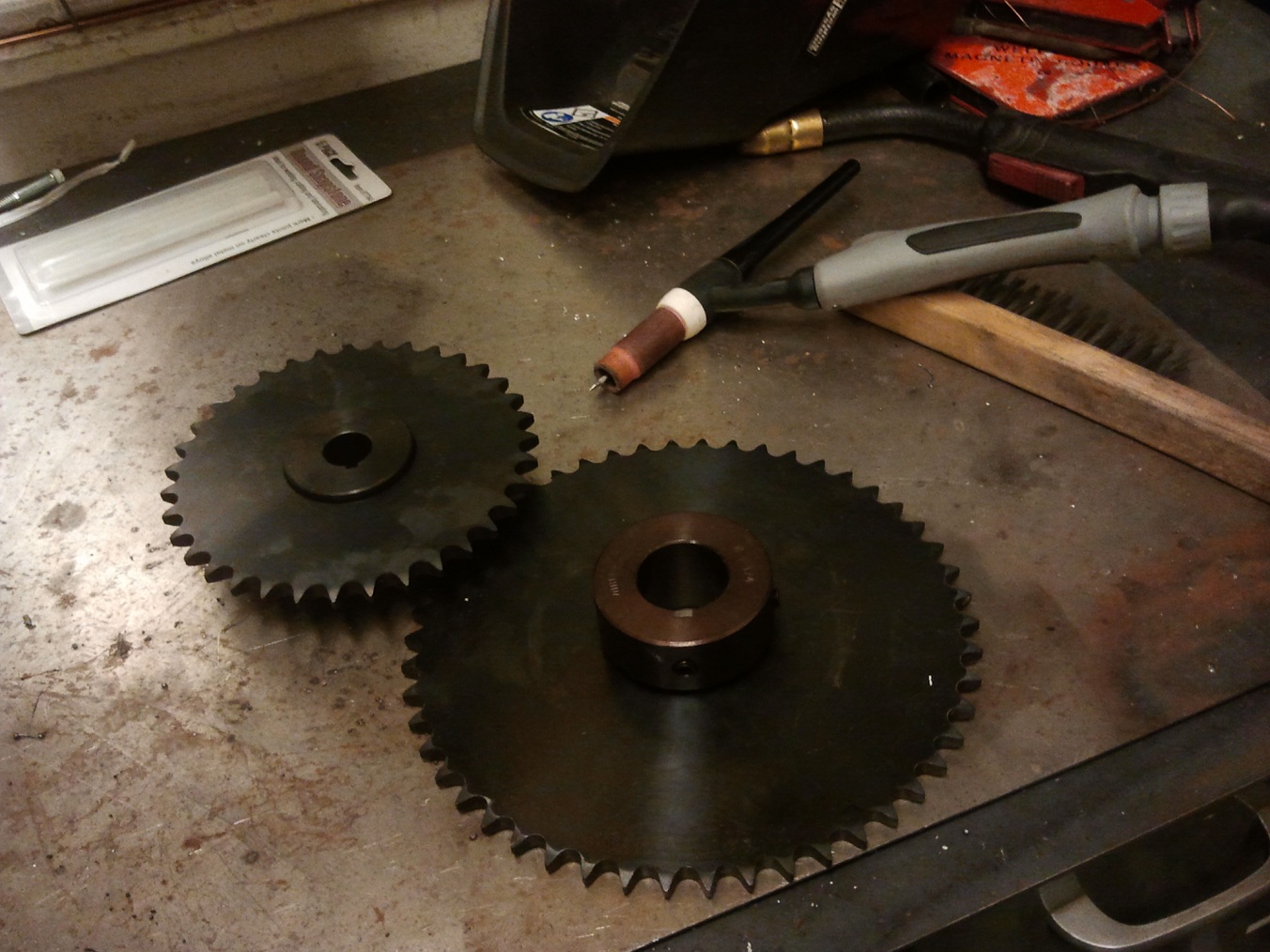
Things have been getting exciting in the last week or so as the SUTD Summerkarts Global Leadership Program students have arrived, and we’re now well under way into the Silly Vehicle design phase all over again. Global Leadership Program. That’s such an epic name for 2.00gokart, guys. To be fair, there’s plenty of other things going on for the students too, most of which are ‘leadership’ flavored. In this running of the class, since I’m not being watched over by The Department and need to make sure everyone has paper lab notebooks, the student groups will be blogging their builds! I’ll post a list of links once everyone gets set up.

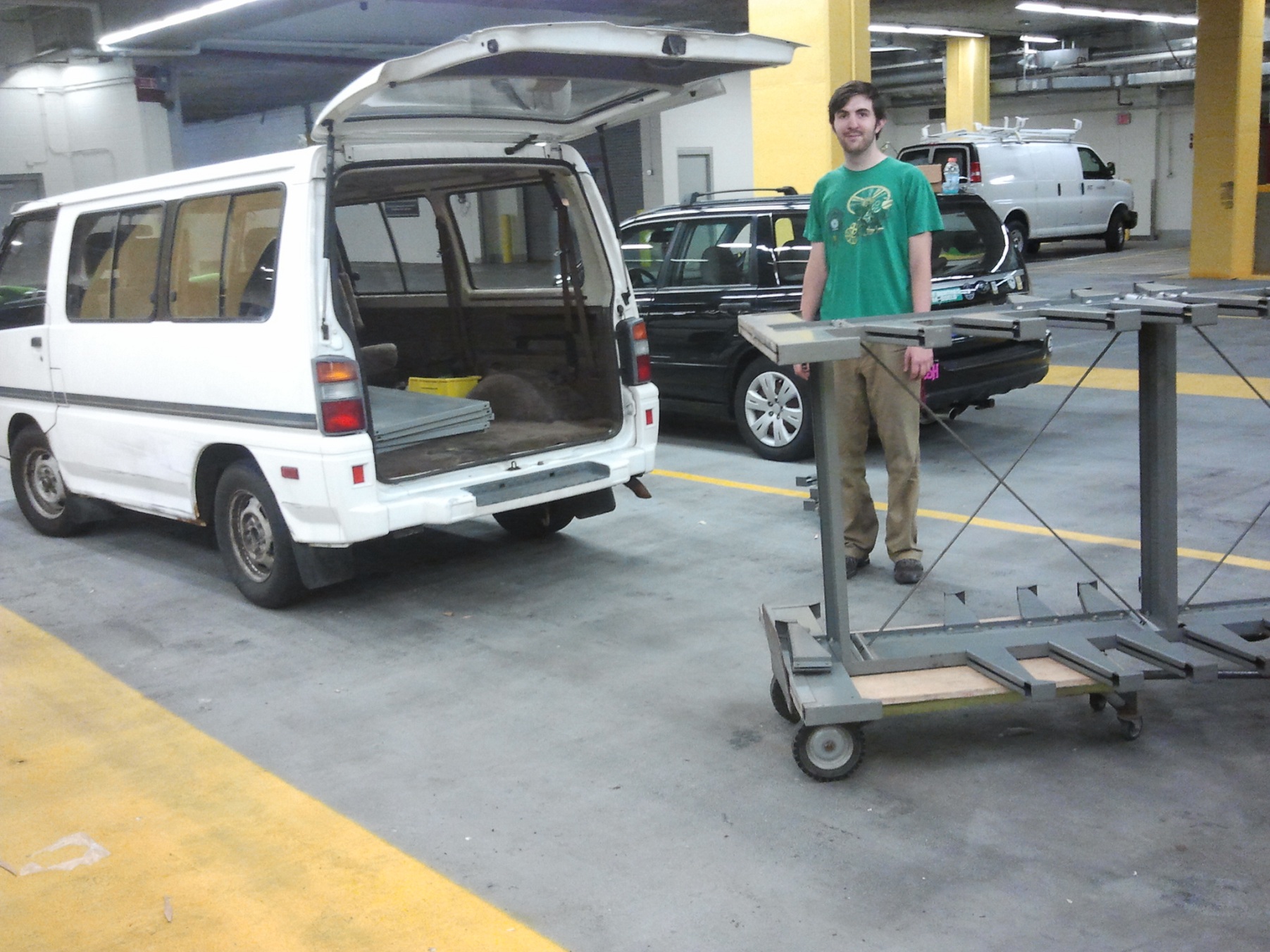
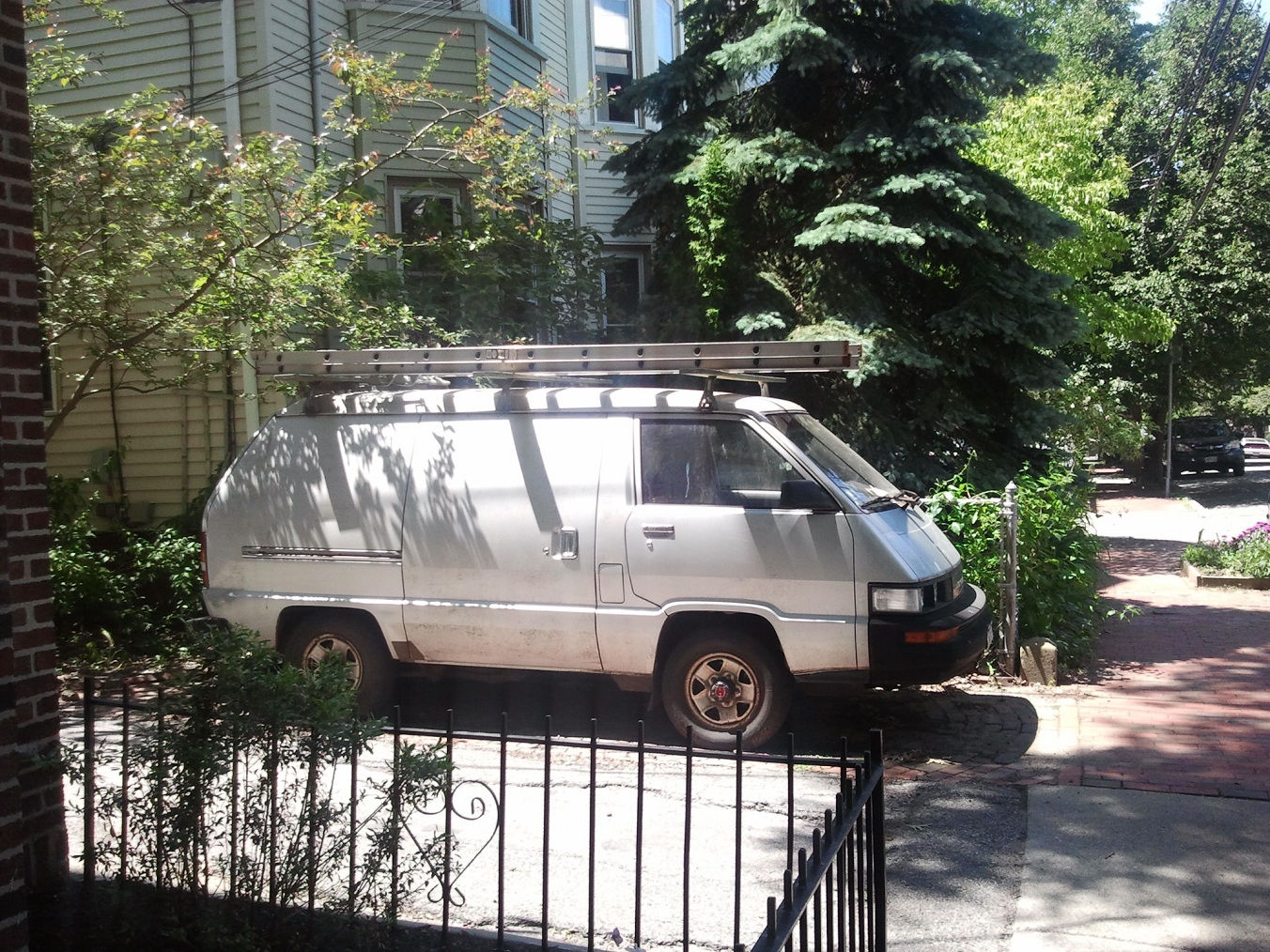
mikuvan

I’m currently at 380 miles.

Having essentially reached the limit of things that have been going wrong, I’ve been faced with no choice but to start attacking rust. This thing hasn’t even so much as hiccuped a single time since Operation: Bad Timing. I would say that at this moment, having checked everything I think is important, I’d trust a trip out to at least New York City (about 240  miles).

I’ve mostly been spending the past 2 weeks psyching myself out and picking up some materials.


Based on estimating the clooooouuuuuud Internet and asking friends, I got a pile of things from Eastwood – panel sheets, a bucket of sealer, and some rust converter. I was skeptical about the “rust converter” – it allegedly converts iron oxide (“rust”) to iron phosphate or iron tannate, which is some shit I’ve never heard of and only appears in product descriptions plagiarized from Wikipedia. This sounded shady, and success seems to be hit or miss. However, it’s relatively cheap, so we’ll see what this magical potion does. That, plus another haul of random abrasive and sheet metal banging tools from Harbor Freight, ought to round out the basic non-sketchy rust patch. I’m going to try the pound-and-weld-metal route – falling short of soldering since it sounds a tad too hardcore at the moment – instead of throwing fiberglass at it.

All that, and waiting for several days of hot and dry weather to do the majority of the work, just to smoke out any residual moisture from the body holes. Recently, it’s actually been hard to come by, with the Northeast in its Periodic Random-Ass Storm Season (PRASS). There’s no point in tying a puddle up inside my work. Worse come to worst, I’ll point a space heater at the trouble spots for a day before doing anything.

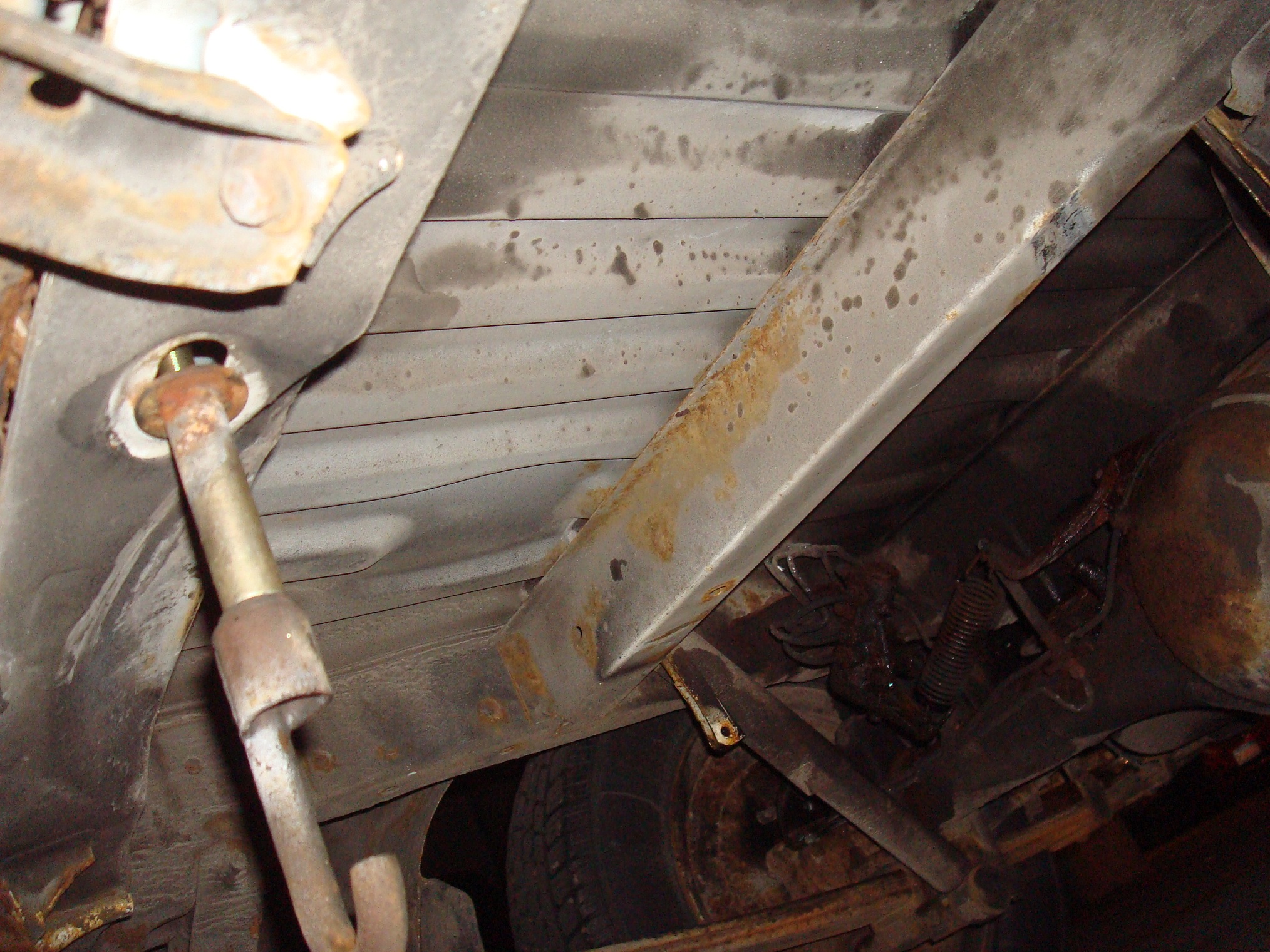
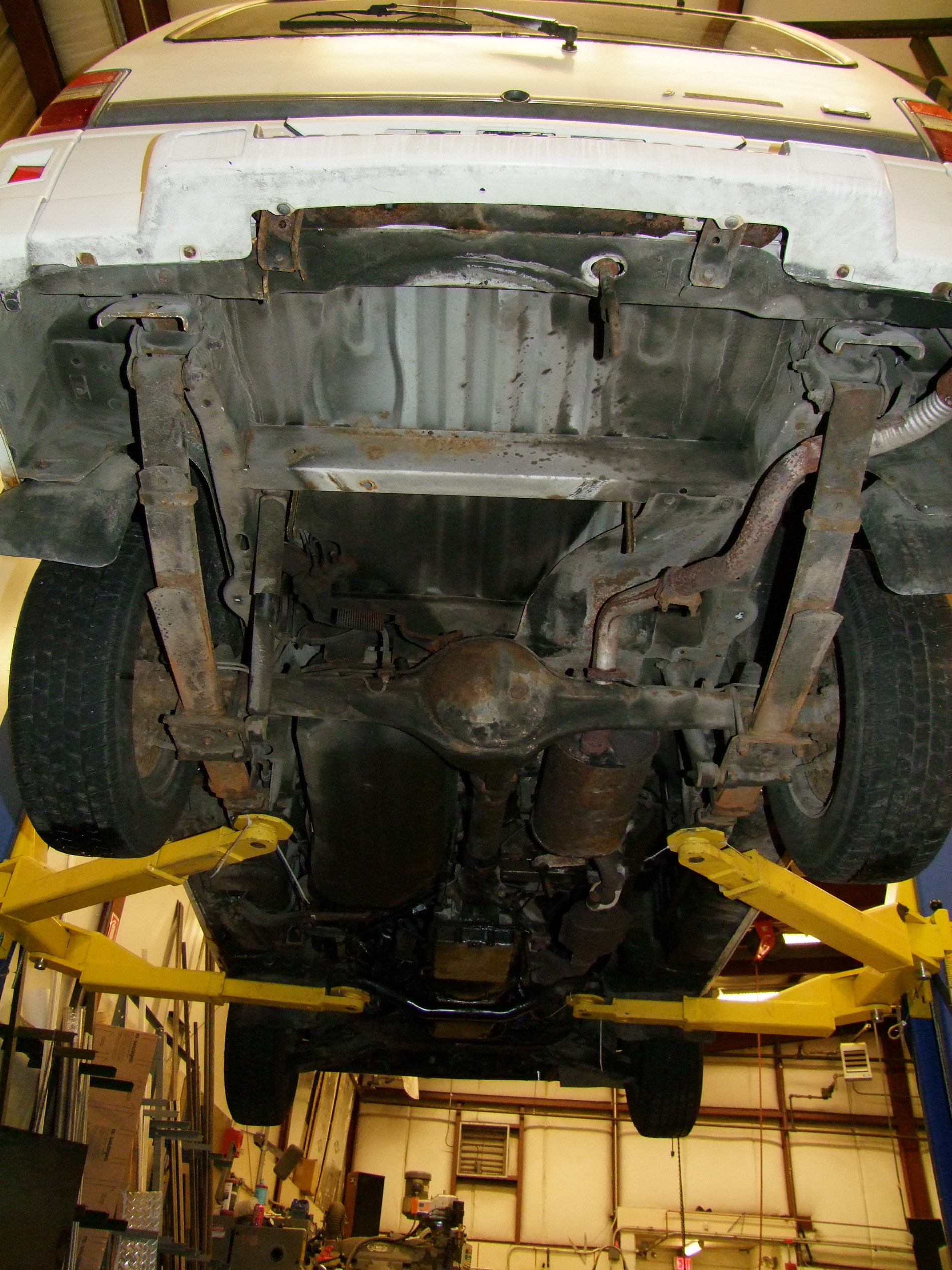
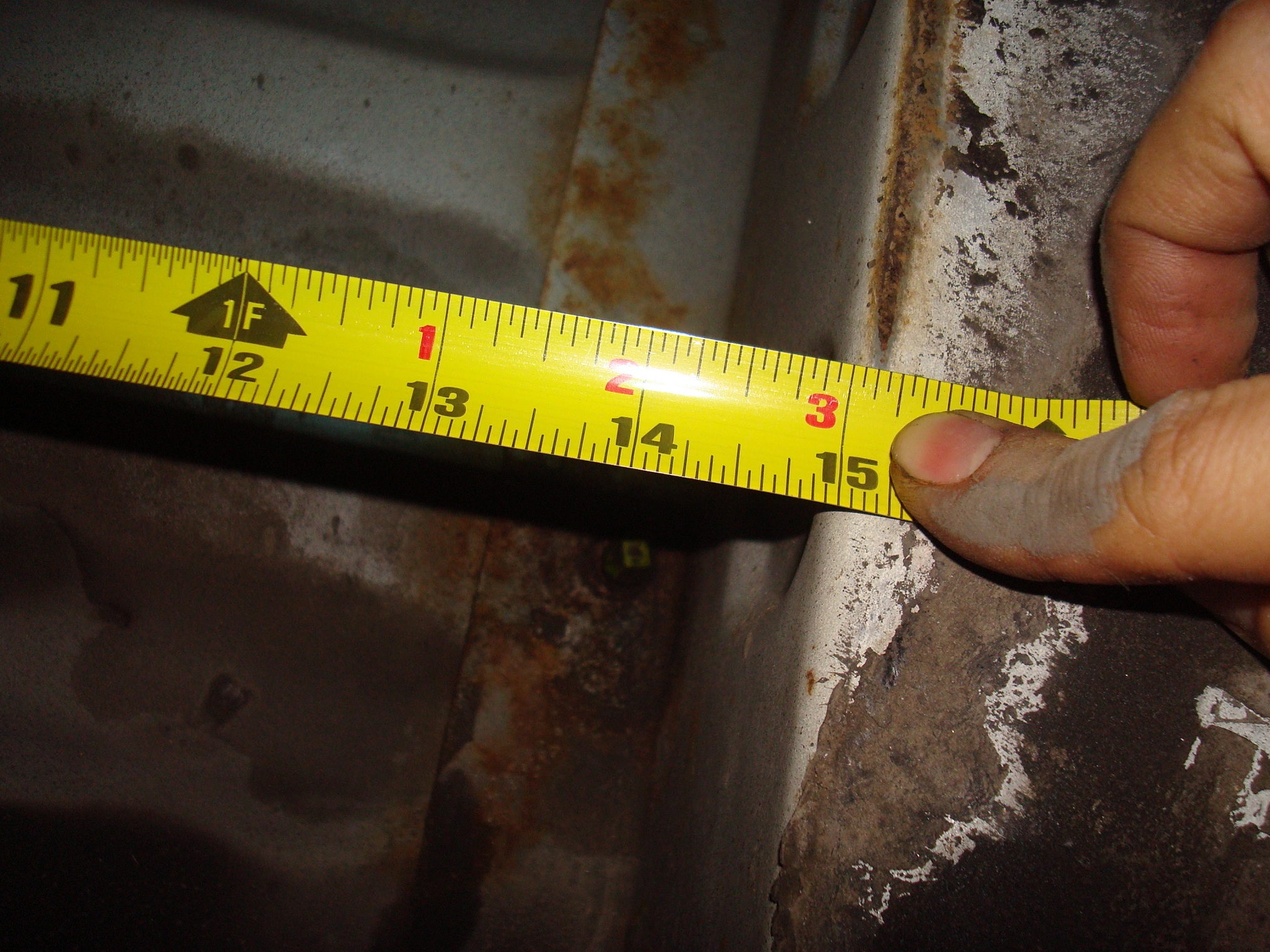
What I’ll do first is probably do all the sanding and grinding; the full-depth investigation, basically, and then post it publicly to get some opinions and appraisals. The idea is to cut or grind off what I can get to, covert and cover over what I can’t abrade off, and then slather external underbody repairs in sealing compound. I also managed to find a matching Chrysler color at Advance Auto Parts to repair the exterior paint afterwards, tested by blasting random areas and staring at it a few minutes later. This may backfire horribly.

Part of the reason I’m hesitant to start is because I have the feeling that things will get more and more Death Race 3000 if I mess something up or discover more structurally unsound areas than I previous anticipated. What you can’t see….

Though, in the limit of Death Race 3000 style modifications, this thing will probably look more and more like a classic wedgebot.

testing the mini-jasontroller

I replaced the full-size caseless Jasontroller in RazEr REV2 with the mini version detailed last week.. I’m definitely a big fan of these now – they’re basically the same as the full size, in a much more useful package.

This is the smaller controller uncased and fully cleaned. I essentially took out every wire I didn’t need, and also locked the speed setting to high internally by jumping the right side orange wire; by default, the “3 speed range” switch comes in the medium range, which means it divides down the throttle input) This has no bearing on its upper speed limit which is still around 540-550 eHz or so, but for low speed motors the throttle response will be substantially retarded otherwise.

These controllers have a discrete logic power switch, unlike the full size Jasontroller, so I also hardwired that internally (left).

I discovered that the entire controller case fit inside the space where my old full size Jasontroller went, minus one corner. So, instead of redrilling the mounting holes for the smaller heat spreader bar, I cut the entire case into an L shape with the board resting in its stock location…

…shrink wrapped the whole thing, and Velcro-mounted it in. Clean and waterproof, and the additional aluminum should still offer some thermal capacity.

The overall height of the controller when stripped of its case is under 0.8″ (in my configuration, it’s not much shorter due to the existing case outline remainder), which opens up the potential to be stuffed into even more things.

I’ve noticed no difference in riding behavior between the mini-Jasontroller and full size, once again confirming they’re basically the same thing. I’ve noticed some slight difference in starting behavior – the mini doesn’t twitch backwards, at least not often. More observation will be needed to discern the differences. In the mean time, I’m officially qualifying the mini-Jasontroller as Certified Legit. You can buy it on this page, and maybe soon from Equals Zero. If you make something using one, post it!

I’ve added this controller to my Scooter Instructable in the EV controllers section.

more silly rideable things

One of the downsides of having 160 cubic feet of self-motive cargo volume is Oh man, this free stuff on Craigslist looks awesome. I’ve previously been limited by what I felt like carrying back on Melonscooter, or worst case, ride back independently. That’s no more.

What you see here is a most-relevant-to-my-interests free Craigslist haul of two nonfunctional electric bike (-like-objects) from a closing e-bike shop. The one on top, as it turned out, is quite the machine. It’s a TidalForce IO cruiser bike, from another one of those small EV companies with an illustrious but ultimately short lived existence, in complete condition. The bottom red pile is a generic Chinese “电动车” or “Chinese moped”. These are sold here and there under various names (here’s one example, and most likely the company that retailed it since it says GREENPOWER on it!). Its condition was a little more beat up, but seemingly just devoid of batteries.

Here’s a better shot of both of them. Being me, I’m actually more a fan of the little red moped – it’s a little weirder and has that Chinese charm to it, but the Tidalforce was much more complete, so I began messing with it first.

The backstory of this machine was that the customer dropped it off for battery service and abandoned it. Apparently, these bikes were notorious for having their NiMH cells degrade very quickly.

Lacking a legitimate charger, I jacked it in on a power supply to 45 volts CV and fed it at about 0.8 amps for basically the better part of a day. The cells inside are nominally 8Ah, so the charge rate is a nice C/10 trickle charge. In case any of the cells were permanently toast, it wouldn’t cause thermal runaway. The battery came off nice and warm, and I rode around until the bike shut down from undervoltage. This charge lasted basically 5 miles with very little pedaling. The original advertised range was 15 or 20, but according to the storytellers realistically 6 or 8 miles, so it didn’t seem that far off the mark.

The termination condition is dictated by the battery management system onboard, and this is where things got difficult. No matter what, I couldn’t convince the charge-o-meter to go above 20%, even when I’ve clearly left the battery on slow trickle for many hours! I suspected that this artificial BMS meddling is what shut the bike down in the first place, since it didn’t feel like it was about to slow down.

I did some research online and came upon this useful page for decyphering the onboard controller for the bike, as well as this flamewar thread on Endless Sphere where someone mentioned that the battery needs to be discharged to under 32v to resynchronize the charge indicator.

This battery is too damned smart. I couldn’t get any output voltage from it unless the bike was on, since it has internal FET switches to shut off the cells from the pack output, so I couldn’t artificially drain it. And even at 44 volts off the charger, I couldn’t get the bike to move more than a couple dozen feet before the BMS shut me down. I hate it when batteries are too smart – I’m forced to crack them open.

Off the front wheel comes. It’s on a quick release, so a latch and some cable pulling later and it comes cleanly off.

Removing the case screws and side, check out this holeaphobia-inducing lotus flower of cells! The terminals all had bits of corrosion on them, but there were no signs of leakage that I could observe.

Hammering on the opposite side of the wheel makes the entire battery structure fall out. This is the important side of things – the BMS board. My mission was to artificially brick the pack via the CELL tabs, draining them to under 32 volts, hoping the BMS would reset or something.

I used this shady arrangement of power resistors, totalling 15 ohms, to drain down the pack over the course of about 3 hours, getting the whole array down to about 30v. Afterwards, I immediately closed everything up and threw it back on the charger. It did exactly jack shit.

The battery meter blinked 20% the whole time! I’m going to guess I did this wrong somehow, or more likely, forgot that Ni batteries bounce back in voltage very well after an initial discharge. By the time I was done connecting things back up, the battery voltage could have been well in excess of 32v, making the BMS think everything was still skullfucked. But it should at least recognize the 7Ah I dumped back into the battery, right?! No such deal.

As of now, I’m currently riding this thing around day to day to burn down the charge in a useful fashion. Apparently, the charge meter blinks in its entirety when the BMS reset point is reached, so I’ll hopefully be ready then.

Why am I trying so hard to use this proprietary-ass stock battery when I could very well just hack the “B” battery with any number of potential long running packs? I’m hesitant to do that because I don’t actually like this thing. It weighs nearly 60 pounds and is enormous, clearly built for a much Manlier Man than I. Plus, I can barely stuff it inside my front door. I guess I’m used to smaller and more portable scooters which can be rolled inside – this sucker is going to need the bike rack. Not really my style.

For now, though, it’s alive and working as yet another Craigslist impulse that turned out to be a little neurotic but otherwise livable day to day. What’s with me and that kind of thing lately?

Let’s move onto the Little Red Moped.

After diddling around with the TidalForce for a few days, I decided one night to get this contraption running along with Adam. I cleaned up the mechanicals and repaired the existing wiring while he created an impromptu brick of 12V7 modules I have on standby for the summer EV design class.

Look at that beautiful… 20 gauge? wire going to the hub motor! This machine is capable of Real Power.  The hub motor appears to be a 48v, 500W (or 750W) brushless type, like this.

Unhitching the electronics box, I discover this wad of wires. If you ever wonder what Jasontrollers and their ilk are actually used for, this is the answer. As you are reading, millions of Asian moped bros are cruising about on machines exactly like this one.

During my wiring cleanup, I found a spider!

Someone clearly was derping around with this after-market and the controller is likely not the original. Someone was also terrible at this. There were plenty of examples of wires just twisted together and electrical taped up, and solder joints like that.

Whatever. It worked, and all I really did was replace some of the decomposing electrical tape and resplice some of the signal wires appropriately.

With the impromptu 48v battery and a random found bike seat, it was ready to roll!  And roll it did. The acceleration was brisk and utilitarian, and the suspension was a bit underdamped but compliant even when riding up curbs. It’s very quiet, and there’s a pedal assist sensor which almost sent me into the wall a few times when I instinctively kicked the pedal out of the way.

Riding it in this form makes me envision myself wearing a straw hat and dark brown Mao suit, riding along a dusty Chinese road to my factory job. With a cage of chickens on the back to be sold at the market later that day.

We agreed it would be more amusing once completely rewired and running on 72 volts, but sadly, Mao’s Little Red Moped did not see that day. For at Swapfest, I was riding around aimlessly for no more than 10 minutes before someone bought it off me on the spot. Sans batteries, but still.

So my net wheel gain for the past few weeks has been 2, both won by the TidalForce bike. Unfortunately, that may increase again, because I’m considering…

a playmate for mikuvan

Your job, Internet, as the guardians to my sanity, is to tell me I do not need another one of these.

Let’s face it. I was originally looking for a science project with Mikuvan, but elected to put in an honest repair effort to have me some of that thar “auto tech” larnin’ y’all kids are into these days. But now it’s running too well, and a few of us are basically invested emotionally in it, and I have a harder time with the thought of tearing everything down again than when it wasn’t running.

Mere weeks after I stated my life goal Passive Non-Career-Derailing Desire was to collect the Legendary Van Trifecta, I discover that I might have a chance to nab the rarest of them all: the USDM Nissan Vanette. Yes, the one which was well known for lighting on fire.

The back story for this find is quite circuitous indeed. It wasn’t by weeks of stalking Craigslist, or a “Hey, I hear you like derpy vans” referral from my “Hey, I heard you like trashy electric scooters” network. Instead, while doing research on the other members of the trifecta, I found this Jalopnik post for a Nissan Van (-shaped-object) in North Carolina. Some link hunting led me to the original sellers album…from 2011.  Out of sheer shits and giggles morbid curiosity, I emailed the seller what amounted to “lol do you still have this”. MFW the answer was yes:

I’m at a loss about what to do.

On the one hand… Whoa, a chance to capture the rarest Legendary Pokévan and train it make it the base for this electric drive project. After all, the way the world apparently works, as I’ve handily found out in the past few months, is you have a functioning car, then you get an explicitly nonfunctional one to mess around with. This van is so explicitly nonrunning the FCC and ASE are about to join forces to erase it from reality. The chassis mechanicals appear to be comparatively rust free (then again, so I thought with Mikuvan).

The downside? Space. Parking. Not even counting the (once yearly) cost of registration and (fairly low) monthly insurance premiums once it’s operational, there’s no such thing as a little empty grassy patch to stick a nonrunning vehicle here. I was lucky with Mikuvan that my one allotted parking spot was open. What I cannot justify is paying hundreds of dollars a month for a parking spot or garage space for a van-shaped lump without the knowledge that I will immediately be able to attend to it, rare or not.  I’m currently in the process of exercising my social network™ to see if anyone is willing to put up with my bullshit. Ideally, there’s a back alley of a nearby industrial space somewhere that I can slip into, or someone’s back yard who thinks this is all too hilarious. I’m not going to try very hard.

So the dilemma goes. I will probably not see one of these in such a complete condition for many years, but maybe in said years I’d be in a better position to start Big Chuck’s Van Adoption Service.

 (All pictures above of the vehicle were provided by the seller)

I’m filing this post also under Beyond Unboxing since so many things were taken apart in one way or another.

The Weekly Adventures of Mikuvan: Operation I-Fixed-Too-Many-Things-At-Once-To-Give-It-All-One-Smarmy-Name

As you can see, I’ve already given up on my promise from last time. Or perhaps I didn’t?

When last week wrapped up, I had just finished replacing my front right wheel bearings. On the immediate agenda was repairing the front blower motor, which seems to have gone dead long ago, and I was getting pretty desperate because this past weekend was an early heat wave in the area with temperatures in the low 90s°F. I had already verified that the (resistor based ;___; ) speed regulation circuit was fine with exception of the lowest speed, and that the motor did not respond to direct 12v input.

vanfan

Like Fanvan. Do you remember Fanvan?

In the Official Derpy Van Strategy Guide, the heater unit had its own dedicated disassembly page:

As you could imagine, it was not very helpful. The gist of it was basically

1. Disassemble everything.

2. No, we mean it. Everything.

The entire dashboard structure had to come out. Not to mention, even, that the step page before this was to disassemble the heater control unit linkages (the things which deflect air to select heat or A/C, floor or … face? vents, etc.)

In my usual style, I suspected something was amiss and that there must be an easier way. Basically what the past few weeks of pretend-automotive-tech has taught me is that everything in a vehicle may have an ‘official” repair procedure, but Raúl and Jimmy at the shop up the block most likely have figured out a way to do it quickly. My plan was to be Raúl as often as possible.

For me, the possible quick route was an in-situ replacement of the fan motor’s brushes.

The motor, for the record, is the little silver can with the round nub near the lower center of the image. Keep in mind all this is well hidden under the lower dashboard. What you’re seeing is me aiming the camera up from the footwell, with the lens under the brake pedal and the flash unit above the brake pedal. The metal rail that dips down in the foreground is the throttle pedal.

After staring for a while, I determined through empirical trials that I could reach my arm under both pedals and up to the motor, leaving just enough space to wiggle a stub Phillips head screwdriver to undo the rear brush cap screws. To get into this position, I would have to extend horizontally out from the driver’s side footwell, facing the base of the driver’s seat. In other words, totally away from the repair point, and the entire repair is to be done by feel. I wish there were pictures of this whole process as it was happening, because it was truly one heroic position.

So why on earth did I think I could just pull the brushes? Typically, in a robot motor, you don’t replace the brushes at all – if they’re gone, that’s it, and the motor is done. More expensive and larger robot motors make it such that you can just remove the brushes by themselves, one by one. Being derived from industrial motors, that’s how the typical robot motor is put together, and it’s what I’m used to.

However, automotive motors tend to be a little modular if they’re not designed to be disposable. I obtained this replacement blower motor online, and was curious as to the internal construction, so I popped it open. Two screws later, the entire brush plate was dangling from the motor commutator for dear life. It turns out I could replace the brush plate as one assembly. A little more research showed me that this is incredibly common for major automotive accessory motors – starters, for instance. Most little motors like power windows seem to be disposable.

Discovering this was basically what led me to think that in-situ repairing the motor was a good idea. Typically, the brushes will go first in a DC motor if it is otherwise mechanically sound and well-lubricated. Being that these automotive motors are basically made of reinforced concrete and solid cast iron stamped steel everywhere with big sintered iron-bronze bushings that last forever, I was betting hard that the brushes had simply disappeared and the rest of the motor was sound.

Here’s the brush assembly removed. Now, if I had just pulled the plate out without thinking much, the brushes and springs would have escaped and scattered very quickly. Drawing from past experience disassembling robot motors such as the venerable EV Warrior, I prepared a Round Thing of Brush Retaining and slid the brushes onto it. The round thing was just some random rubber bump stop discovered in MITERS, besides which I was conveniently yet illegally parked.

When I Assumed the Position and removed the two brush plate screws, this is what fell out at me.

Hey! I didn’t know they made these vans with brushless fan motors! That’s pretty cool, and is just a testament to the legendary reliability engineering that the Japanese put into thei…

I digress. What you see is a small pile of chocolate-flavored cocaine carbon brush fluff where brushes should be. This stuff must have been micro-scale fine. When I blew on this pile, which was caked to the inside of the steel back plate, it generated a cloud of dust completely disproportionate to its original size.

So this confirms the hypothesis that the motor brushes were just toasted.

The harder part was getting the new brush cap back on. I basically only had one shot to do this, and any misalignment or dropping would result in the brushes and springs disappearing forever into the dark crevasses of the dashboard. To facilitate this, I made a doubly-aligning Round Thing of Brush Retaining from a spare bronze bushing. The ID of the bushing was bored out to just over that of the silver sleeve behind the commutator (measured on the spare motor and then increased just a little for margin). That way, if I can get the thing roughly aligned at all, the sleeve will help with placement. The OD was just barely larger than the commutator, which was good: as soon as I push the brush caps off, they should land on the commutator.

And here was what I was dealing with, getting that brush plate rig back onto the little copper nub there.  I was concerned enough about this process to actually simulate it on the spare motor with it sitting around a corner (out of sight) and me wiggling the brush plate through feel alone. I wanted to make sure I knew exactly what the features on the motor back felt like. I “dry ran” once or twice with the old, used brush plate to make sure I could snap the board’s mounting bushings (little rubber blocks) in place.

And after a heartstopping OH MY GOD THE BUSHING IS FALLING OUT moment, the new brush plate is in. Notice the blue things sticking out of the motor now.

Now, I have no victory pictures or videos of this repair, because it’s a fan for crying out loud and the only thing in the video would be a whooshing sound. But it worked! I ran the fan for a little while on low (2nd) speed to seat the new brushes.

I did have a new resistor block, but that one was located too far down to even get a screwdriver into. I tried for 15 minutes with putting bits on universal ratchet joints to no avail. Whatever, I’ll live without the lowest (generally not very useful) fan setting.

After this repair warranted a victory lap to Advance Auto Parts for even more brake cleaner, I came back and took apart the left front wheel to check on the bearings and clean everything up.

This time, I didn’t replace them. The rollers and races did not appear to have any wear or damage, so I just re-stuffed it with grease and torqued it back to spec. I know you’re supposed to symmetrically replace bearings, but I was not in the mood to pound on the races one more time. Again, we’re assuming I don’t grenade everything within 10,000 miles (I’m currently up to 230.)

So what’s next on the list? The next day was a little less intensively hot and I initially brought Mikuvan out to get the Massachusetts state inspection done, but it turns out they really want you to have a front license plate. I was issued two plates, but it was never made with a front license plate holder; and no, stuffing it on the dashboard apparently didn’t count. I was turned down by 3 area shops that I drove around to.

Whatever. I’ll rig up a fix later. For now, let’s rewire the radio.

This post brought to you by K2 Energy. That’s the brick I dissected powering an AC inverter which is running a small soldering iron. Inefficient conversion of power, yes, but I neglected to pick up a cordless iron or butane powered crack torch iron so it’ll have to do.

The van came with a cheap but reasonable modern head unit with CD, aux jack, USB power, and SD card slot, but it was wired incorrectly. I could only get the thing to turn on if I had the ignition in the ON position *and* the headlight switch flipped to accessory/daytime lights. Yes, both. This made no sense whatesoever.

But after reading the electrical manual which is far more helpful, I found that the main power was wired to the dashboard gauge lights (hence requiring the headlight switch to be engaged to accessory) and the backup power was wired to to the ignition switch! That would explain why it never remembered stations or equalizer settings when the key was out.

A quick rewire later and I was in business. The sound system on this thing is truly a product of the 1980s. No highs, no lows, and not even Bose at that. There’s no subwoofer by modern standards – the sub is a small, roughly cookie tin shaped box affixed to the front console’s underside. There are no door speakers, probably because the doors aren’t thick enough to put any in. I’m fairly certain my old $25 computer speakers had better clarity.

Alright, with the sound system now playing a horrifyingly hollow rendition of Vocaloid Dubstep playlist, it’s time to start moving towards the rear. Next on my impromptu list was to repair the center row seats.


For the uninitiated, the center row seats in the 80s Japanese Van Squad could all spin around in a circle, but only the Mitsubishi Van had them on a set of beefy drawer slides so they could also be shifted front and back. Basically, my two seats combined have more degrees of freedom than a Segway. You pull a latch and it unlocks the mechanism (a big steel locking crossbar mounted on a spring which catches in slots in the slides) and move until the mechanism snaps back into another slot elsewhere.

The trouble with mine was that they were stuck in eternal drawer slide mode. The mechanism was jammed or broken, so for the past few weeks I’ve actually been stuffing toolboxes and milk crates of parts in between the seats to hold them in place. Friends going on van adventures were told to brace themselves or be sectioned neatly by the seat belts.

I don’t have any pictures of the mechanism or the underside of the seat. Why? Because as soon as I undid the 4 bolts and started lifting the seat, the mechanism popped back into place.

Well how about that. I decided to not press further and dissect it – instead, I slathered the whole thing with spray-on lithium grease and also thoroughly greased the track. It has yet to be a problem again.  I surmise that someone pulled the worn mechanism too hard and caused the locking bar to pop out of its guides, becoming stuck in the loose position.

I confirmed this suspicion by tugging really hard on the handle and trying to move the seat – at least once, I was able to stick the mechanism. But with the path now greased, a hard slam into one travel stop put the locking bar back in its place. Should have tried that to begin with…

I performed the same jiggle dance to the drivers side center seat.

The seats can lock rotationally in only two positions – full front facing or full back. The mechanism is just a pin-in-a-plate kind of detent stop, so I have half a mind to waterjet a new one that has like 15 degree increment clicks or something, for maximum hilarity.

license to print

All this being said and done, I was still out a front license plate holder. The cheap and hacky way would have been to just drill some holes in the bumper and screw it on. When I was at one of the local garages, I saw someone with this and it was perfectly legitimate.

But surely there’s a better way to do this than machining my exterior. There’s two hidden bolts in the grill-like slit on Mikuvan’s from bumper which I decided to take advantage of.

I don’t know about this solution being “better” so much as “lol a 3d printer” when a bent piece of aluminum would have sufficed, but I whipped up this solid ABS license plate bracket holder in a few minutes and set it running on the Lab Replicator™. The post coming out from the front is a designed-in support structure to hold up the ceiling of the counterbored hole which the bumper bolt will reside. The hole around it is large enough to slip a 1/4″-drive deep ratchet into.

The finished bracket adapter with the artificial support post removed with some wiggling.

Nobody will ever know that it wasn’t OEM!

Now that it’s CERTIFIED LEGIT (until June 2014, anyhow), I’m slowly running out of problems to solve. It just means that soon, I’ll have no choice but to tackle…

The rust.